
Articles
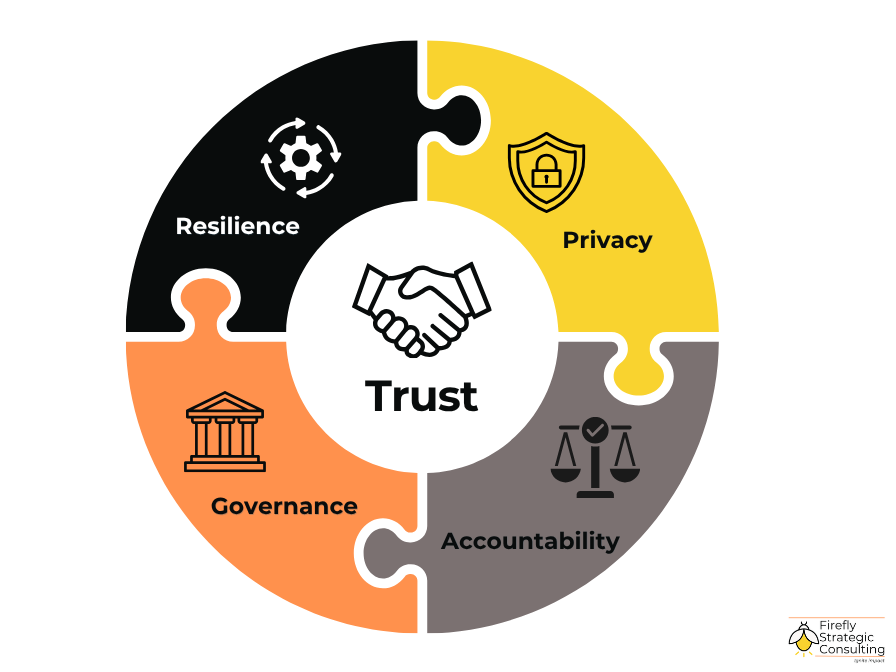
Making AI Safe to Scale: A Framework for Responsible AI Adoption
Not long ago, AI in most organizations meant a handful of people trying something new — testing a tool, seeing what it could do, treating it as a side experiment. In a few short years, there's been a dramatic shift from one-off experimentation to a push for whole-of-organization adoption.
What we're seeing is that AI adoption rarely happens in one neat, predictable way. There are varying levels of comfort, interest, and reluctance across individuals and teams — which makes sense. AI brings real opportunities for innovation and efficiency, but if it isn't brought in thoughtfully, those opportunities can just as quickly turn into threats.
However far along any one organization is, the direction is clear: AI isn't going away. Vendors are building it into the tools already in use. Staff are finding and adopting tools on their own, with or without formal approval. New capabilities keep arriving faster than most organizations can formally evaluate them.
The question I see in front of us now is: How do we take advantage of new technology while protecting accountability and the people we serve?
For me, the answer starts with trust.

Feeling the strain? How to reset your organization without starting over
Article originally published for Charity Village, June 25, 2026.
The world is moving faster than ever before—politically, socially, technologically—and organizations seem to be in a constant state of needing to pivot. Whether it’s a new legal requirement, a cut to core funding, or an exciting opportunity your board of directors wants you to pursue, you find yourself reimagining, once again, how your team will face the latest challenge. Add on the nagging sense that your systems aren’t built for what’s coming next, and the pressure continues to mount.
I’m sure you have felt the need to keep up, especially if you’re the leader of a small organization. With limited support and ample responsibility resting squarely on your shoulders, the task can feel enormous. There are systems to review, dependencies between programs to untangle, staff counting on you, and funders expecting results. It’s a lot to weed through, and it can easily feel overwhelming before you even begin.
The most common question I hear from my clients is: “Where do I even start?”

What Responsible AI Can Look Like in Practice
AI is no longer something organizations are preparing for. It is already part of how work gets done.
Teams are using it to draft, analyze, and problem-solve, sometimes with clear approval, often without it, and not always with a shared understanding of how it should be used. This creates a quiet but important gap between intention and reality.

Making Accountability Actionable
Goal setting is only as effective as the systems we design to support it. In my work, I often see goals that are well-intentioned but disconnected from the organization’s overall strategy. The result? A lot of effort, but not always a lot of progress.
One of the most powerful shifts a team can make is to build their workplan within a framework of accountability, starting with your organization’s strategic objectives and cascading down to individual tasks.
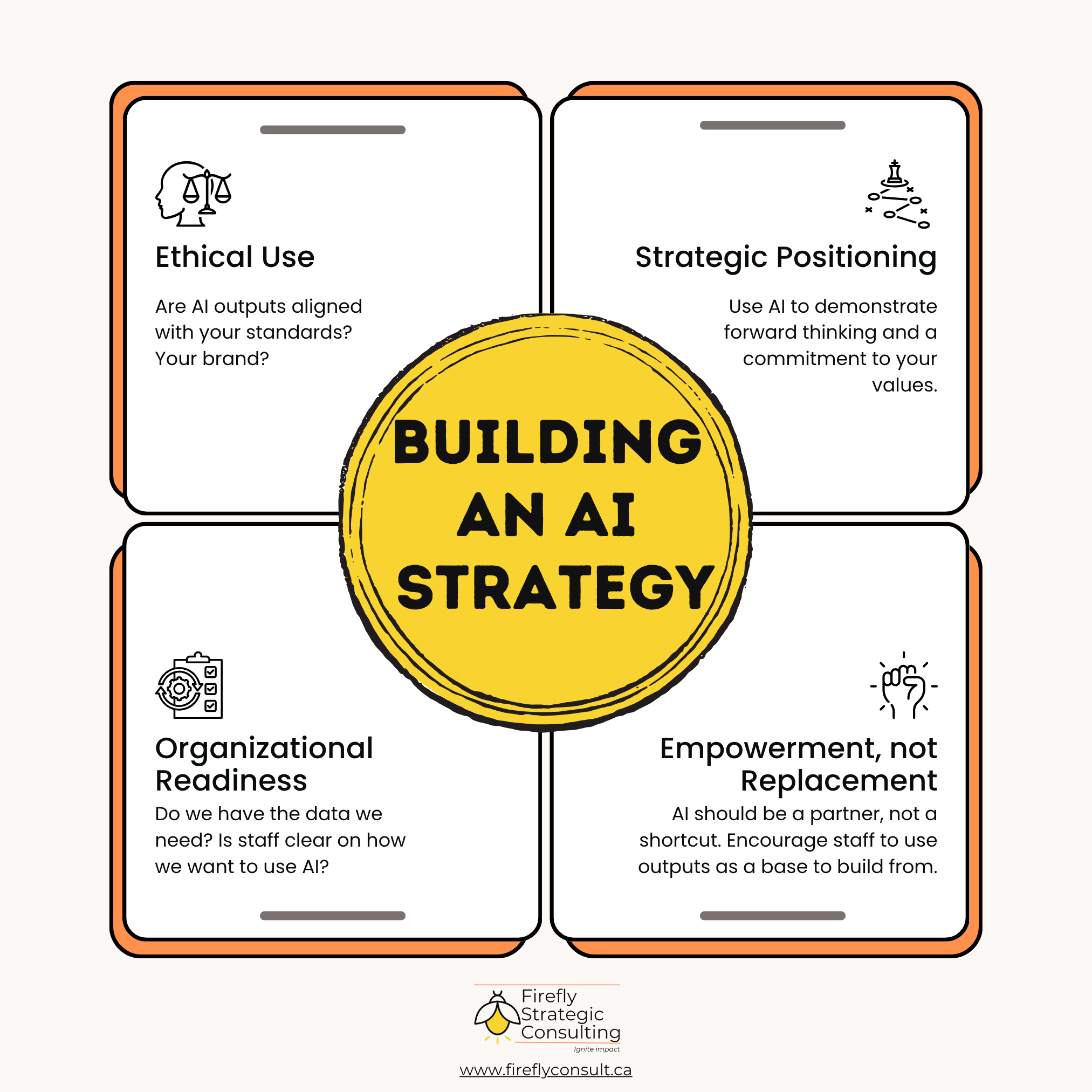
Building your AI Strategy with Intention
In my work helping organizations reset and realign how they operate, I talk a lot about the importance of intentional systems, not just the tools we use, but how they connect to our goals, values, and ways of working. AI is the latest addition to that system, and it’s a powerful one. But like any tool, its impact depends on how thoughtfully we choose to use it. This article is about what that looks like in practice, especially for leaders who want to integrate AI without losing the human core of their work.

Risky Business: Reframing Risk for the Modern Organization
When leaders think about risk, financials usually take centre stage. But have you considered one of your most valuable (and vulnerable) assets: your data?
As organizations modernize and operate more digitally, they collect significant amounts of personal data about clients, partners, and other stakeholders. This data can fuel smarter decisions and more efficient operations—but it also introduces significant risk.

5 steps to get ready for for data-driven decision making with AI
Strategic leaders are guided by data.
Traditionally, decisions were made based on personal interactions, customer anecdotes or surveys. This data was shared in meetings and (sometimes) recorded to help inform the next steps to take on a project or partnership. This was all that was really needed – leaders shared what they’ve heard with their teams and actions would follow.
But business has become more complex. Departments can no longer work effectively in silos and quick decisions often make the difference between success and a missed opportunity.
Strategic leaders are now turning to AI for help.

Why Business Leaders Must Lay the Groundwork Before Leveraging AI
AI is everywhere. Every social media post, every podcast, every strategic plan—it’s the same message: AI is the future, and those not using it are falling behind.

Is your organization's technology working for you—or against you?
In the quest for growth and efficiency, many organizations unknowingly create a maze of disconnected systems. What starts as helpful additions can gradually morph into a tangled web of mismatched tools and processes—a patchwork of IT systems that slows teams down, frustrates staff, and spreads inefficiency across the organization.
How do you know if your organization is at risk? Here are some common symptoms.

Our approach: Operations Assessments
If you are looking to find efficiencies, leverage technology and/or modernize your team’s work, an operations assessment may be a great place to start.

Our Approach: Strategic Planning
We believe strategic plans need to fit your organization. They should be accessible, realistic and serve as your North Star. Your plan should be used to help guide:
Individual and team goal setting
Performance measurement
Celebrating success
Every activity should link back to your plan – otherwise, why are you doing it?

Turning Uncertainty Into Opportunity: Why Now Is the Perfect Time to Strengthen Your Organization’s Foundation
Moments of uncertainty are an incredible opportunity for growth.
Rather than reacting out of fear or haste, leaders can use this time to assess where things are working well—and where they could be stronger.
Here are three key areas where your organization can start today.

3 Signs Your Strategy and Operations Aren’t Aligned
Does your organization feel like it’s constantly running in circles, even though you have a clear strategy and good people in place? Here are 3 signs your strategy and operations might not be aligned—and how to fix it.

Working with third parties
Five questions to ask third party service providers, to help manage privacy and security risks.
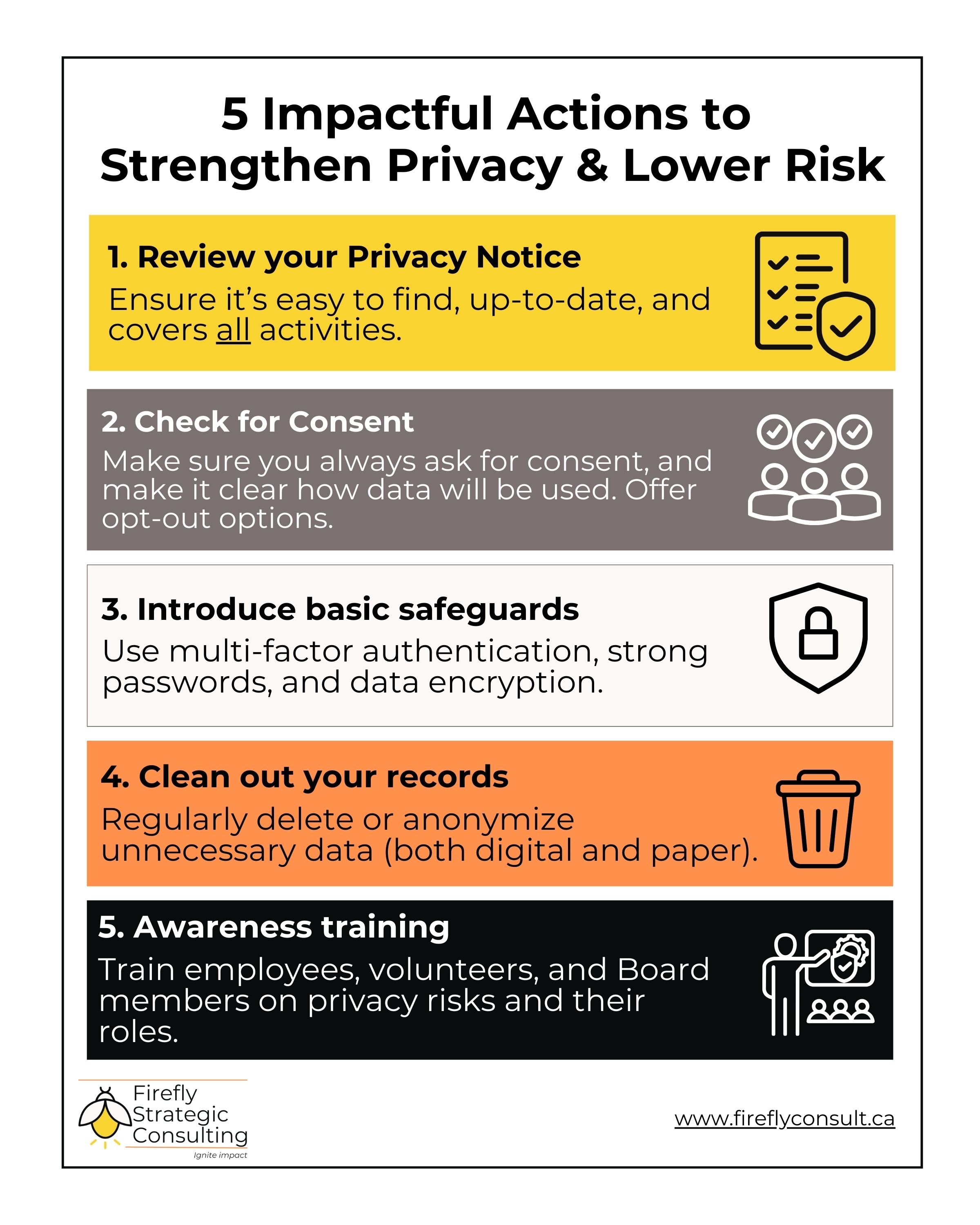
Privacy doesn’t have to be overwhelming: 5 simple actions to strengthen your privacy program
5 simple actions you can take today to lower risk and improve your organization’s privacy position.

Objective Setting
Use this checklist to help set objectives, alone or with your team, that are achievable, realistic and help contribute to your organization’s overall strategy.